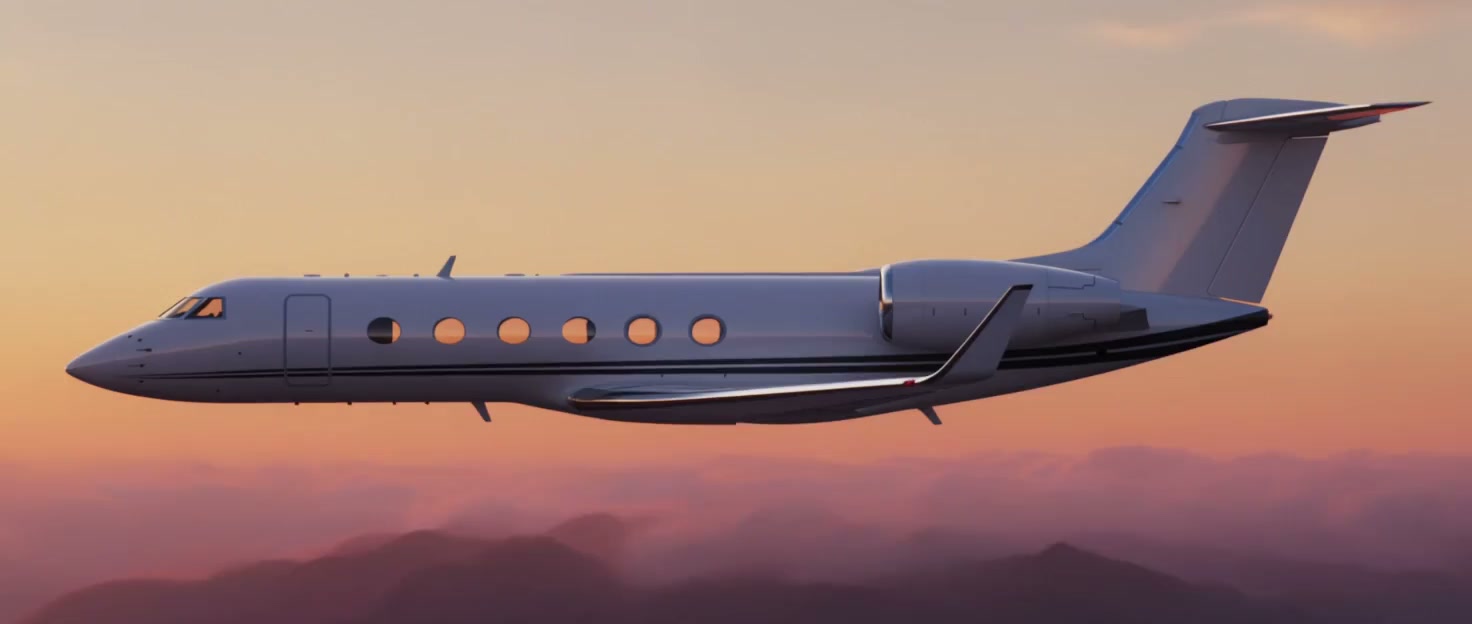

Aerospace engineering student. Gulfstream and Boeing internships. UAV builds on the side.
I'm an Embry-Riddle aerospace student graduating May 2028. I've interned at Gulfstream in certification and completions and at Boeing in electrical design, and I recently helped build a DARPA Lift Challenge UAV that lifted 110 lb.
- Degree
- B.S. Aerospace Engineering
- School
- Embry-Riddle, Daytona Beach
- Focus
- Jet propulsion
- Graduating
- May 2028
- Languages
- English · Spanish
Real aircraft. Real responsibility.
- May - Jul 2026Savannah, GA
Gulfstream Aerospace
Certification Airworthiness Engineering
Supported STC ground testing for a satellite connectivity installation, including electromagnetic compatibility with aircraft avionics. Reviewed vendor data against type design, contributed to seat summary and occupant crash protection materials, and worked alongside ODA and FAA-authorized representatives on compliance and major versus minor design change classification.
- Aug - Dec 2025Savannah, GA
Gulfstream Aerospace
Aircraft Design Completions Engineering
Completed 20+ multidisciplinary tasks across several G700 aircraft, spanning mechanical and electrical cabin systems. Produced emergency equipment layouts and harness routing in AutoCAD, bracket modifications and build lists in CATIA V5, and block-change electrical redesigns integrated in Siemens Capital XC.
- Jun - Aug 2025Everett, WA
Boeing Commercial Airplanes
Electrical Design Engineering
Developed a Section 47 equipment shelf for a model-based engineering demonstrator, taking it from dimensioned requirements to a full CAD package. Collaborated with an international team validating 3DEXPERIENCE for electrical equipment installation, and supported calculus-based bonding and grounding analysis.
Carry at least 110 lb on an airframe under 55.
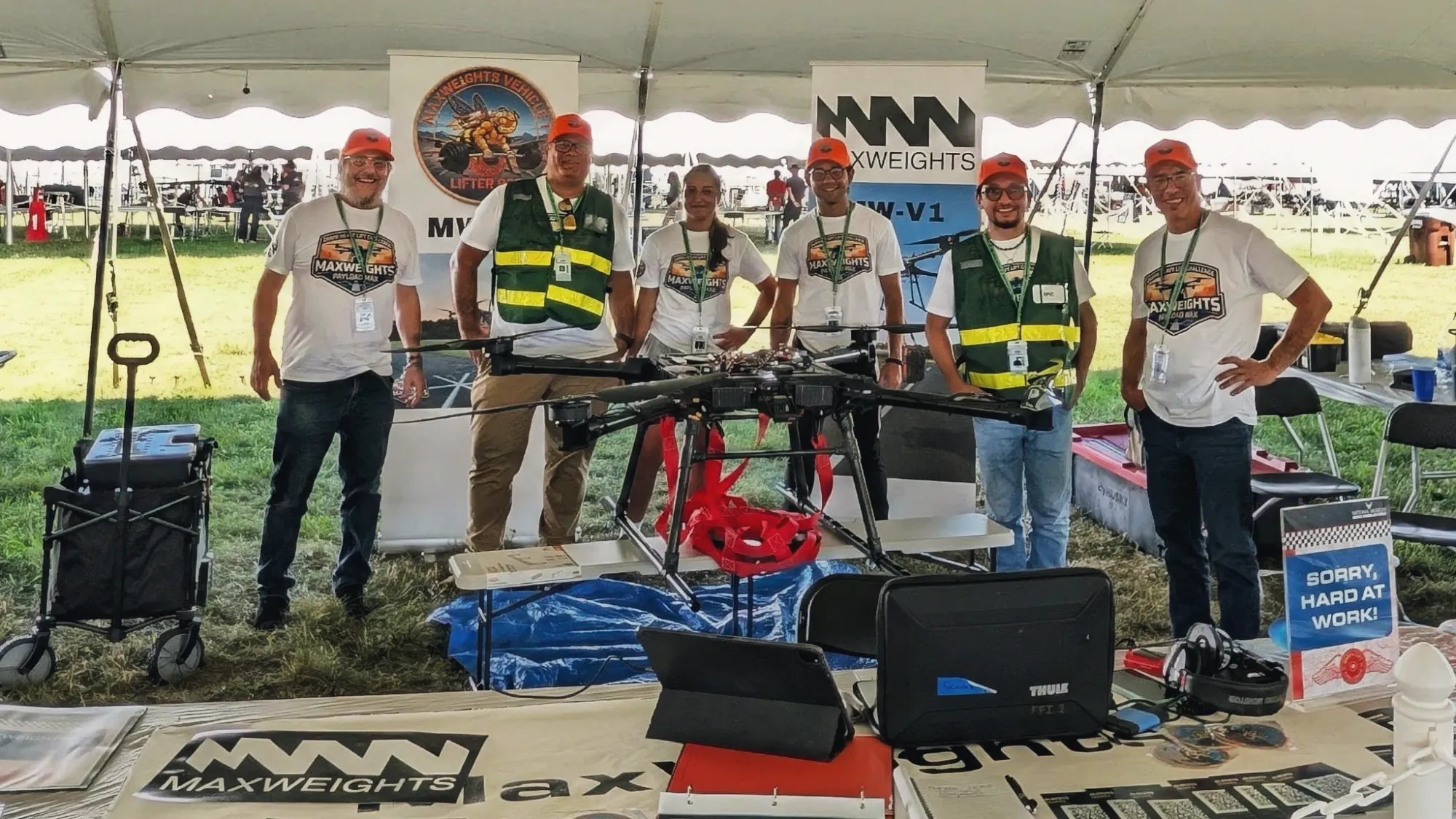
On the DARPA Lift Challenge with Max Weights, the team flew a 110 lb hard case. I handled assembly and wiring, printed mounts in Onshape and reinforced them with carbon fiber and epoxy, and spent the final stretch in ArduPilot and Mission Planner logs. That included a takeoff flip we traced to motor mapping left over from an abandoned eight-motor layout.
- Payload flown
- 110 lb
- Challenge target
- ≥110 lb · ratio ≥2
- Configuration
- 4 motors, top-mounted
- My role
- Assembly · wiring · flight software
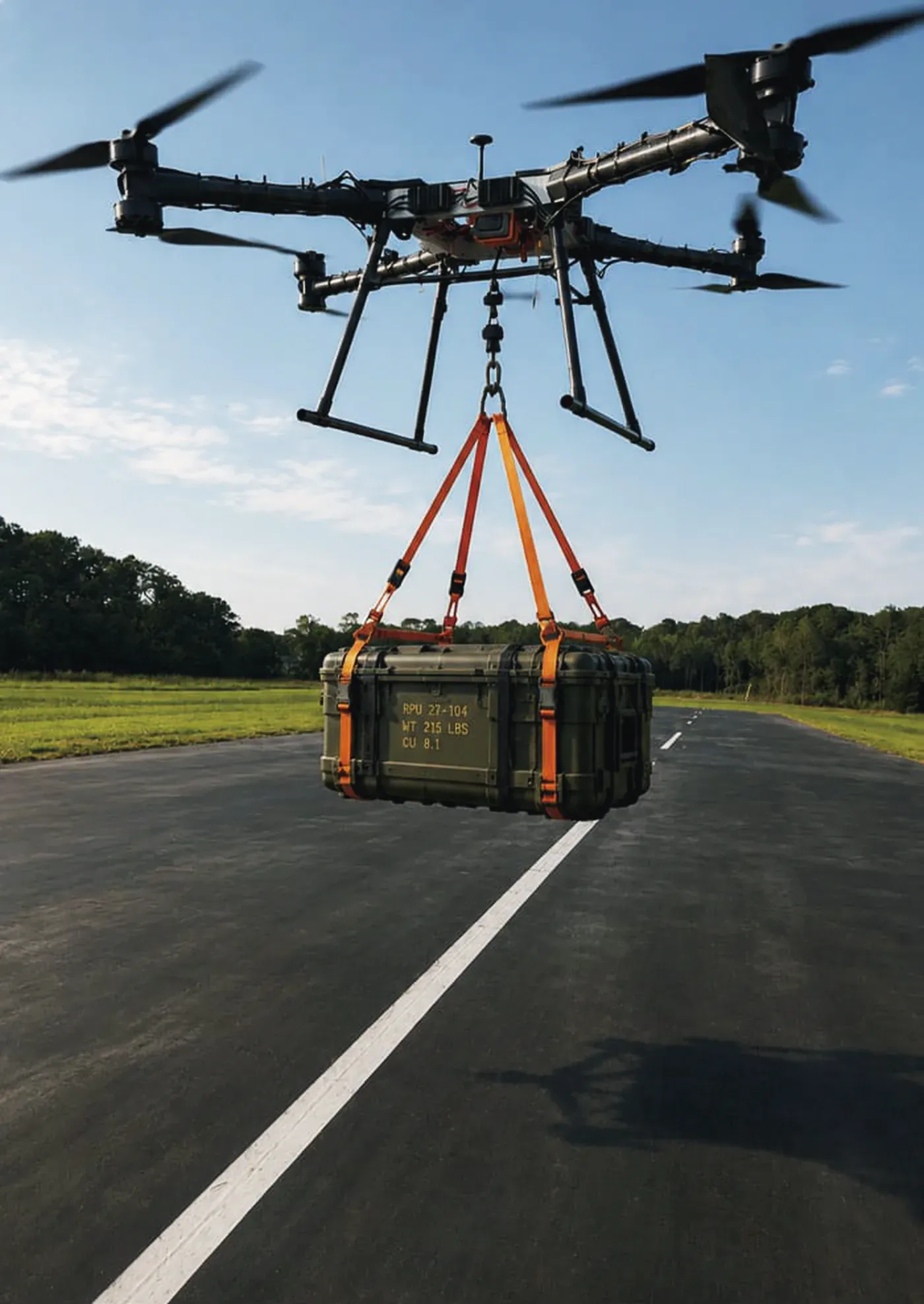
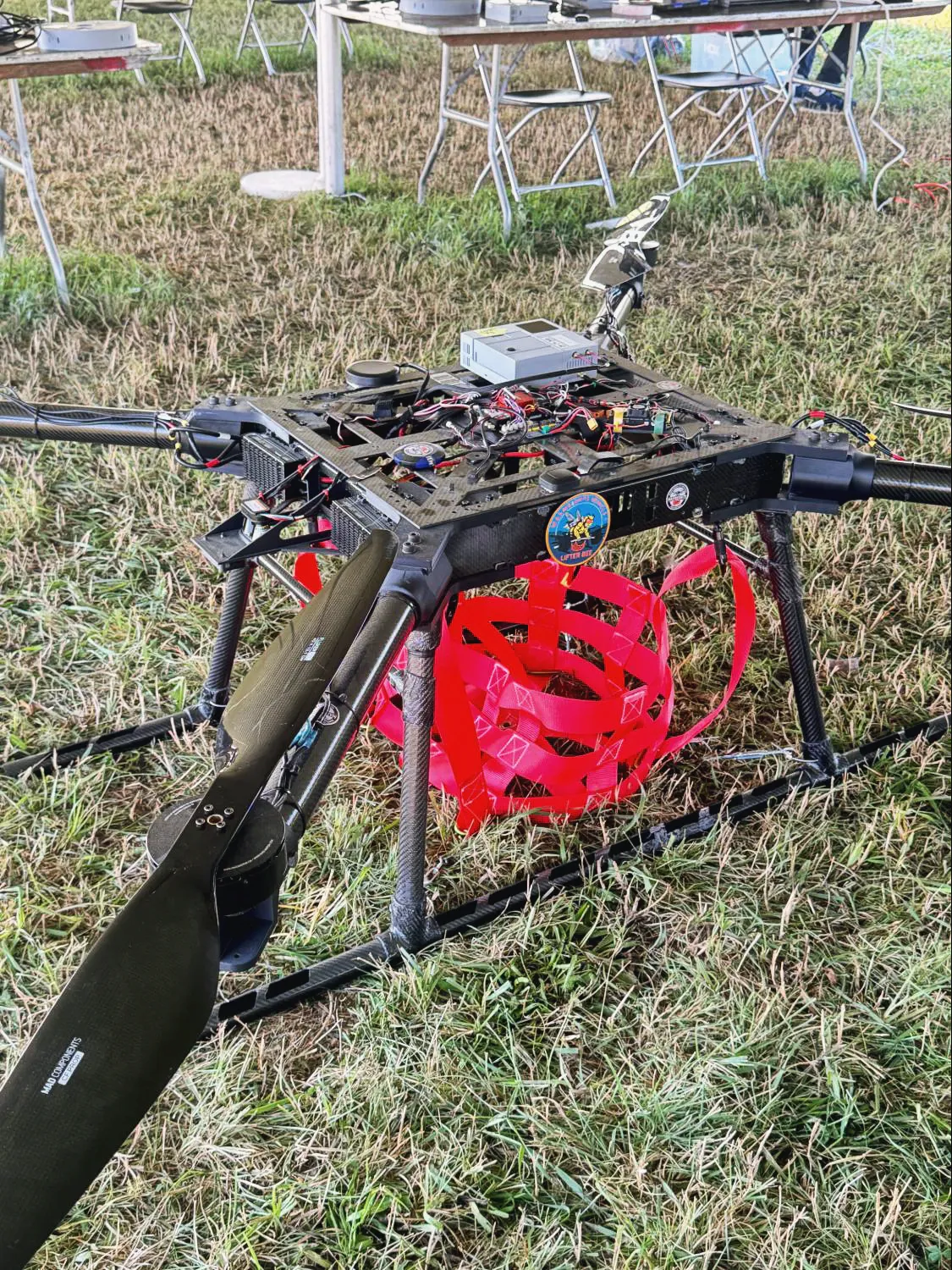
Cargo rigArms, props, and the cargo harness stowed underneath. 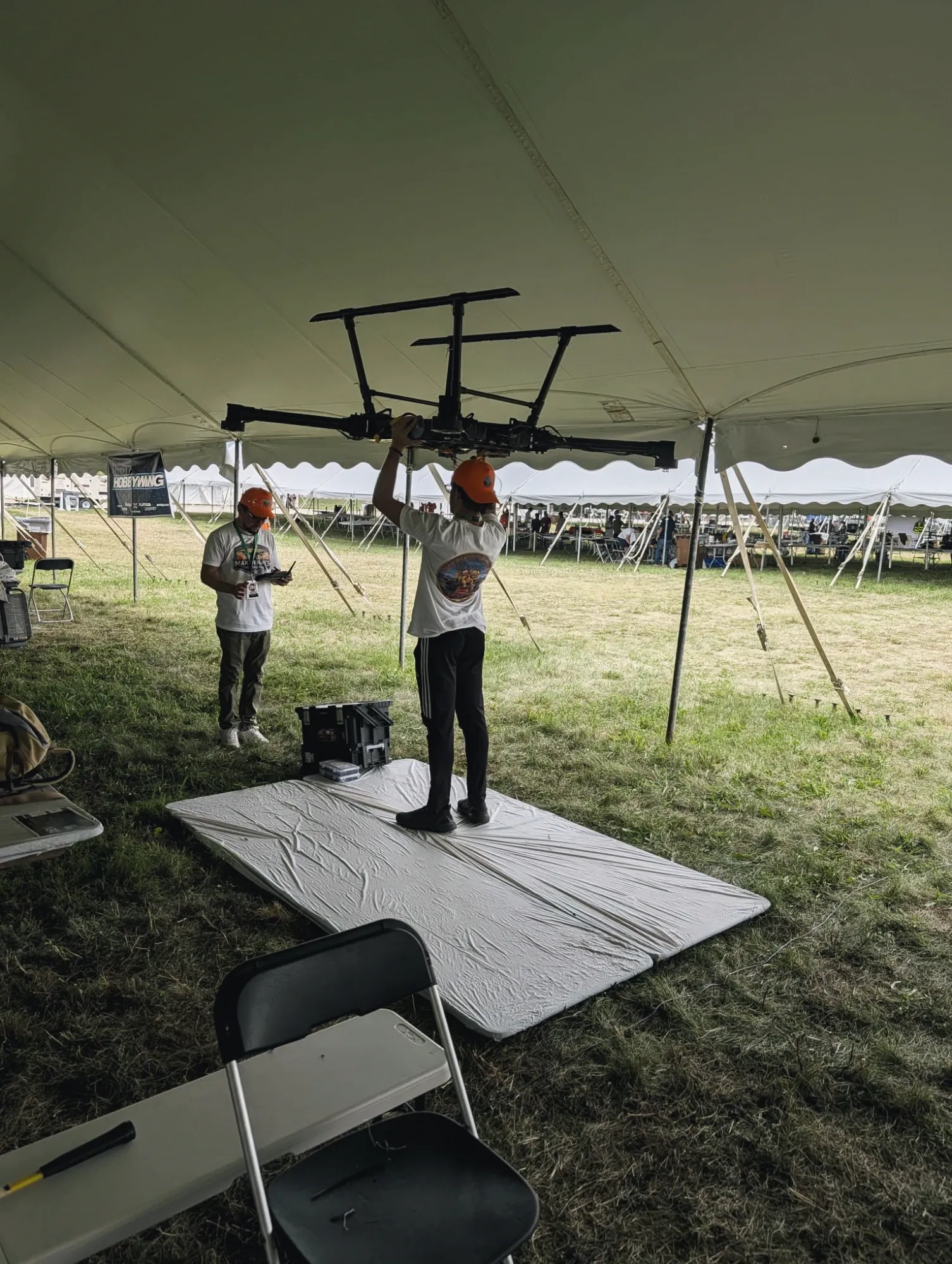
Hand liftUnder 55 lb empty — light enough for one person to hold overhead. 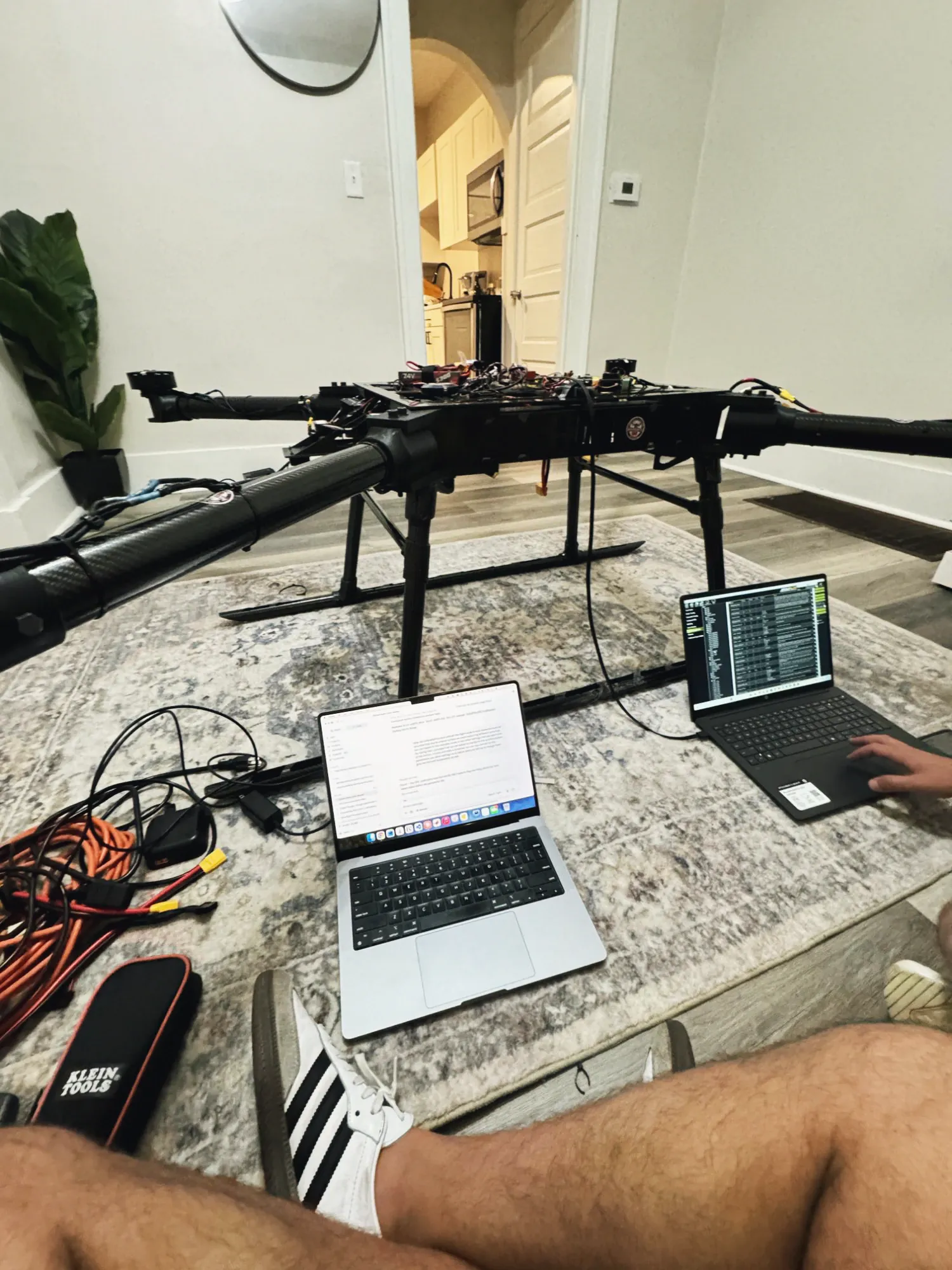
Log reviewMission Planner parameters, the night before a flight window.
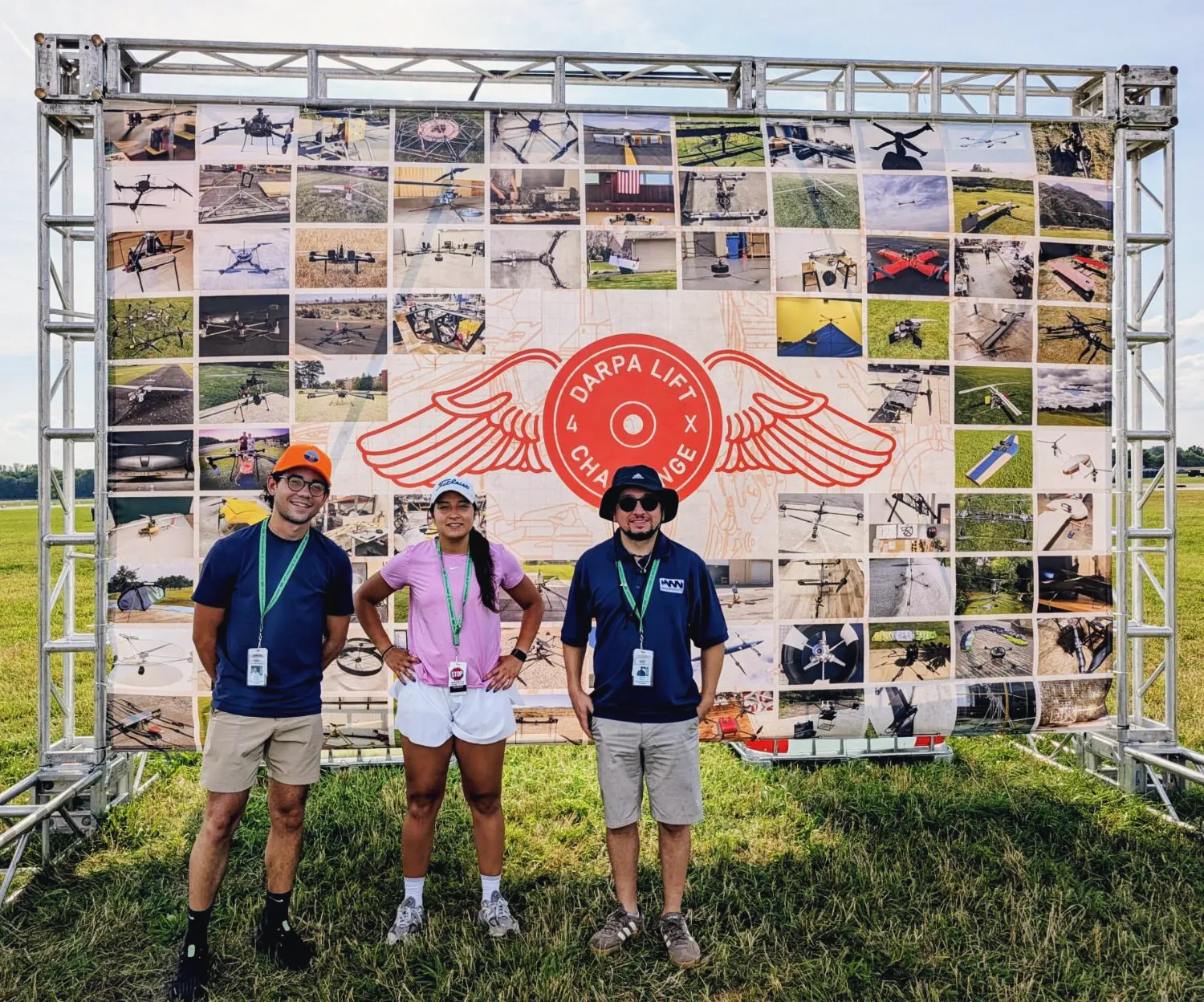
Flight lineThe Lift Challenge backdrop — every aircraft entered that year. 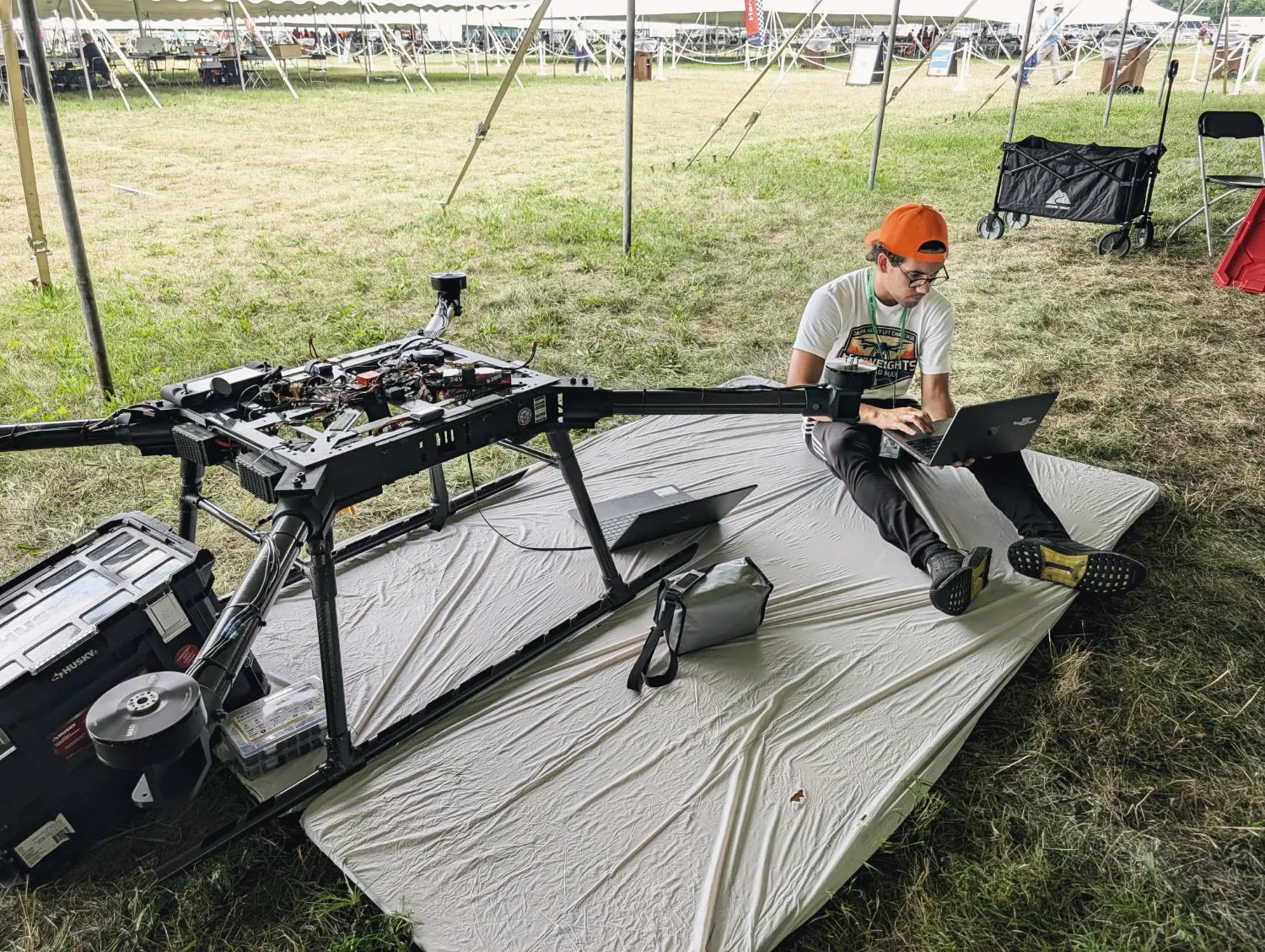
Between flightsPulling logs on the tarp between flight windows.
Every part.
One flying machine.
A scratch-built FPV quadcopter, from a bare carbon frame to a complete electronics stack. Then modeled in CATIA to connect the physical build with the digital one.
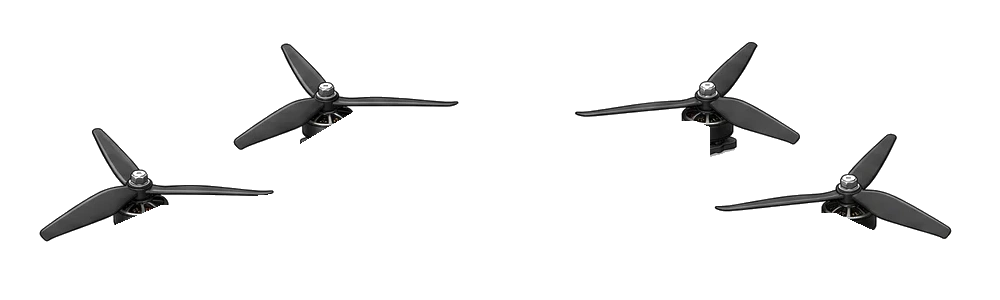


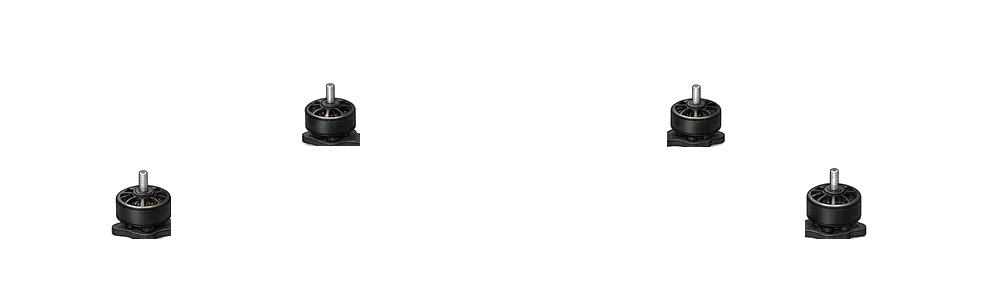
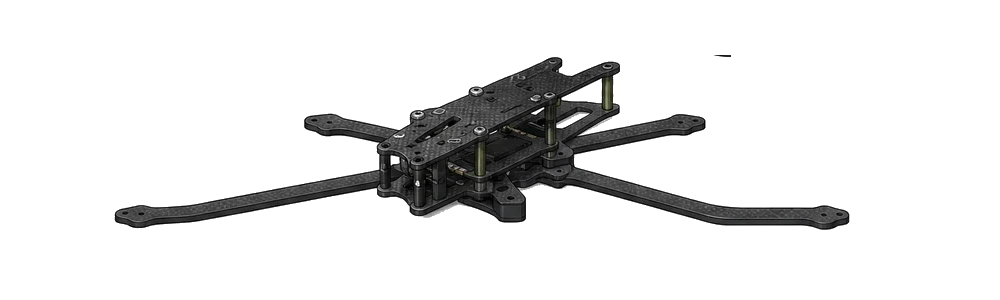
Explore the assembly
Built. Wired. Modeled.
Choose a component to explore the build, or separate the assembly into its five illustrated layers.
The same assembly.
A different way to see it.
I assembled the frame, soldered and integrated the electronics, and fitted the camera and GoPro mount. Modeling the drone in CATIA gave me another way to understand the geometry and how the components fit together.
- My role
- Builder & CAD modeler
- Tools & skills
- CATIA · Soldering · Electronics integration
Experience that carried forward: working with my own quadcopter helped connect the physical hardware to motor-configuration issues on the later MW-V1 heavy-lift project.